Note 1
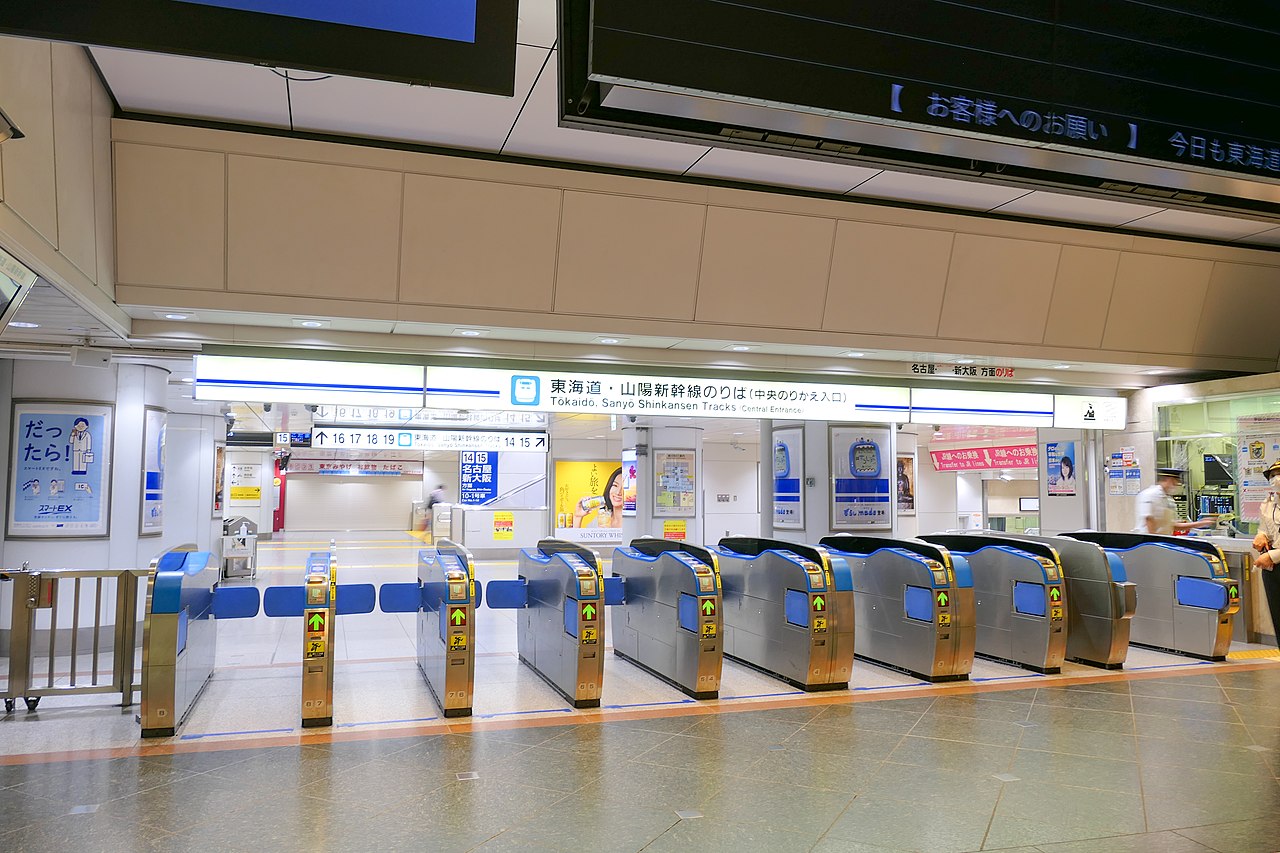
Tokyo rail transfersTransit rhythm
The designer studies how travelers anticipate the next move without stopping, then turns that rhythm into clearer product flows.
Used to break complex interactions into steps that feel inevitable rather than instructional.
Note 2
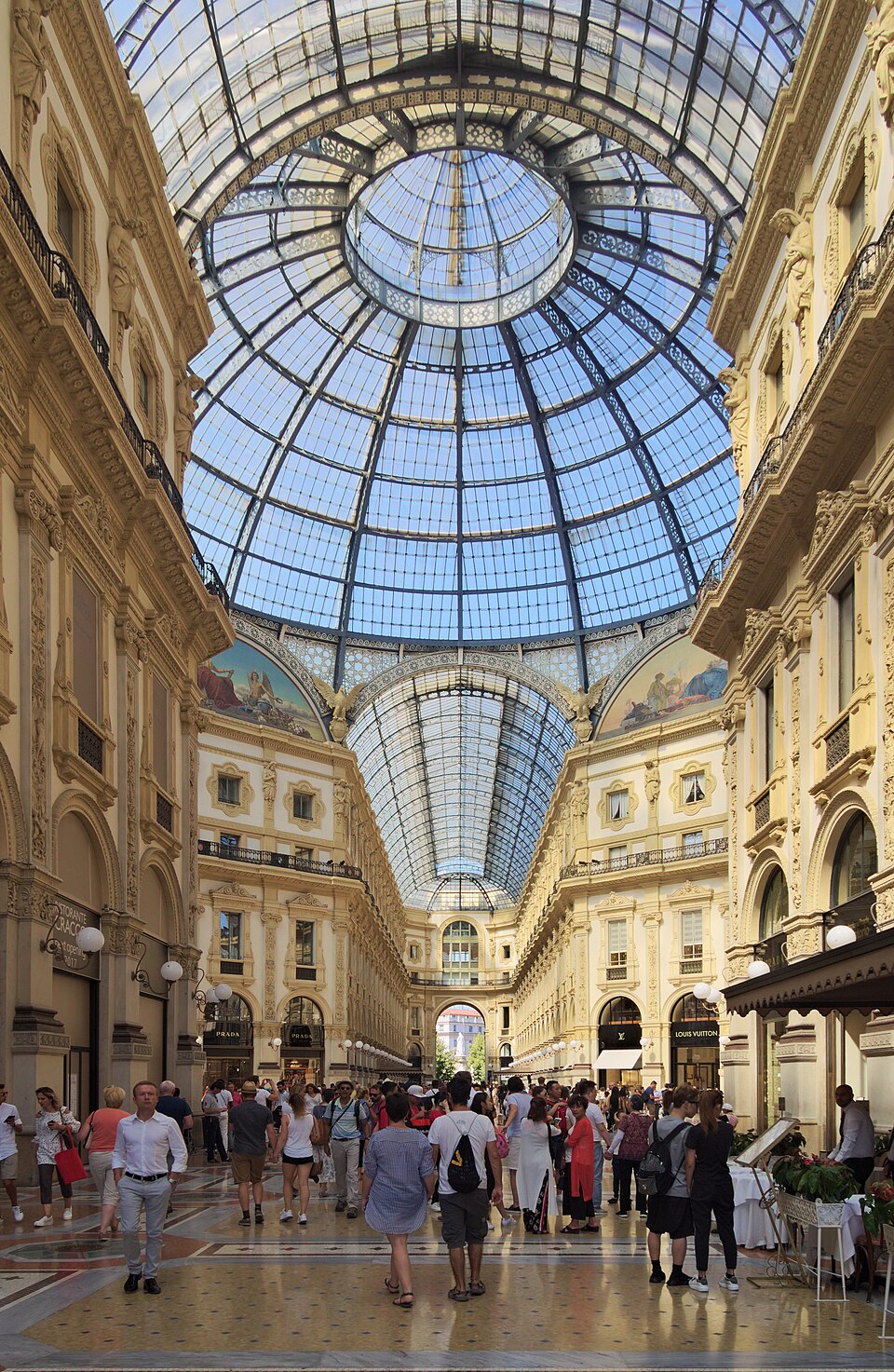
Milan showroom junctionsMaterial honesty
Stone, brushed aluminum, and translucent plastics are treated as signals of confidence rather than decoration.
Used when deciding which surfaces should read as structural and which can carry softness.
Note 3
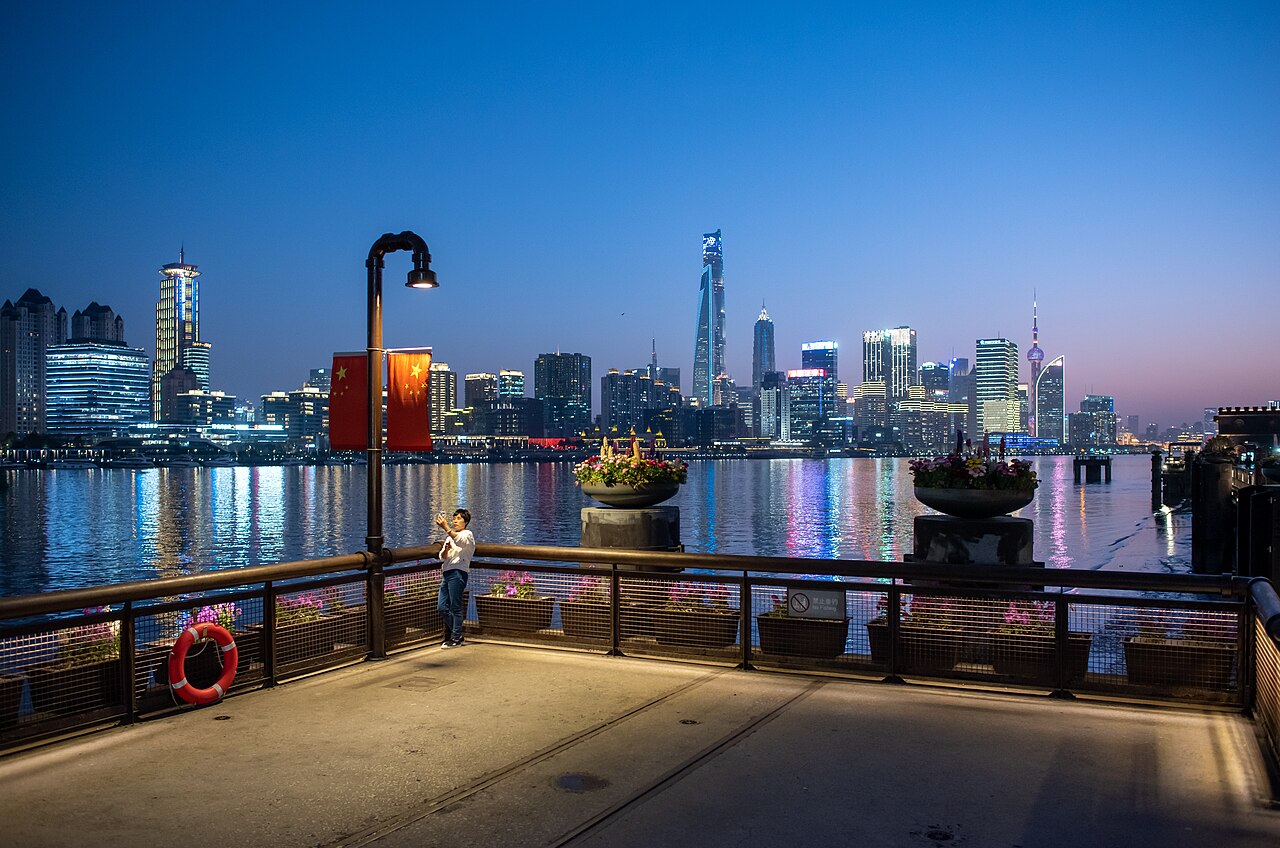
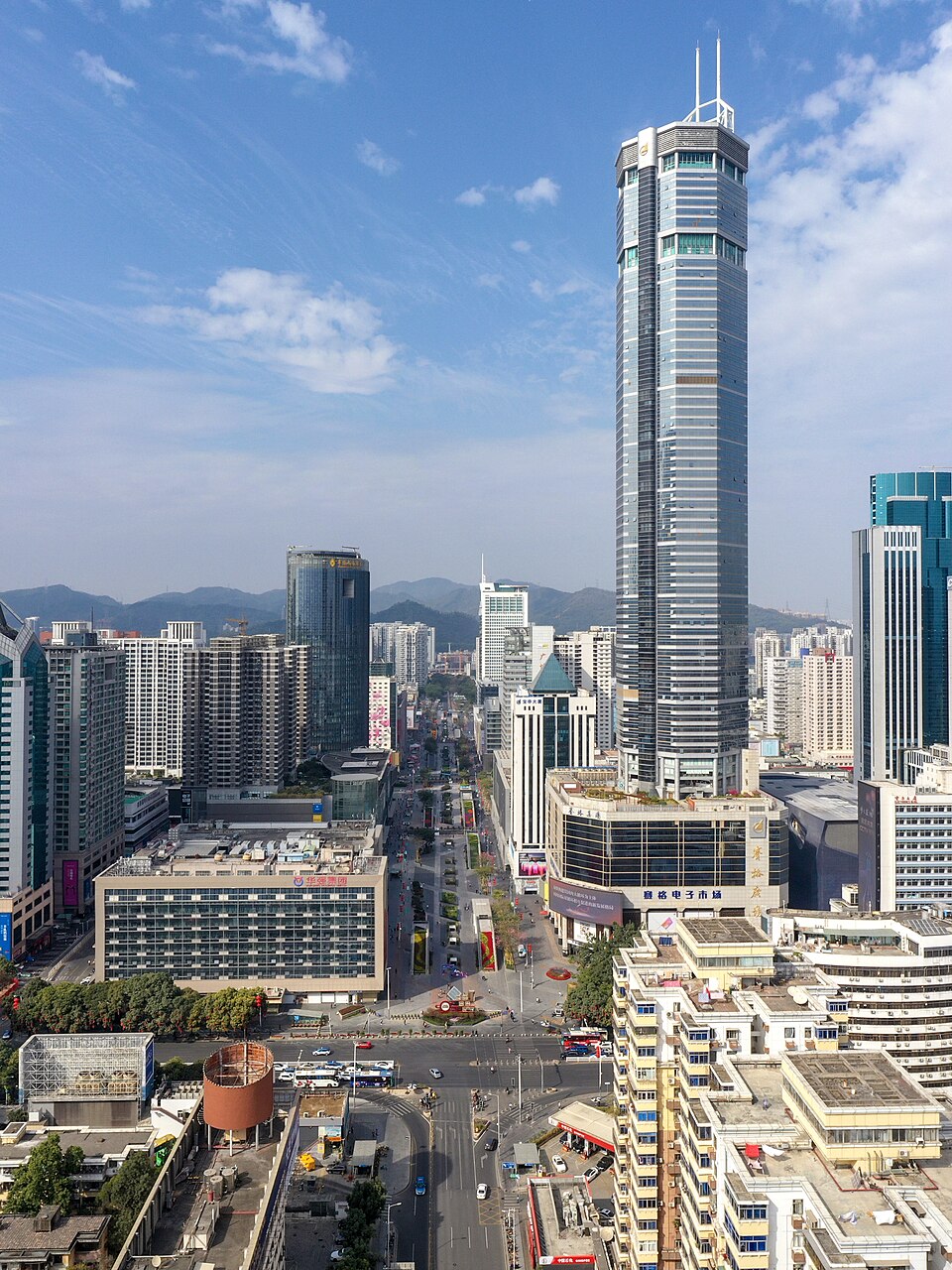
Shenzhen retail corridorsDense information, calm read
Crowded environments still reveal strong hierarchy when color, spacing, and movement are controlled well.
Used to keep advanced products legible without flattening their capability.
Note 4
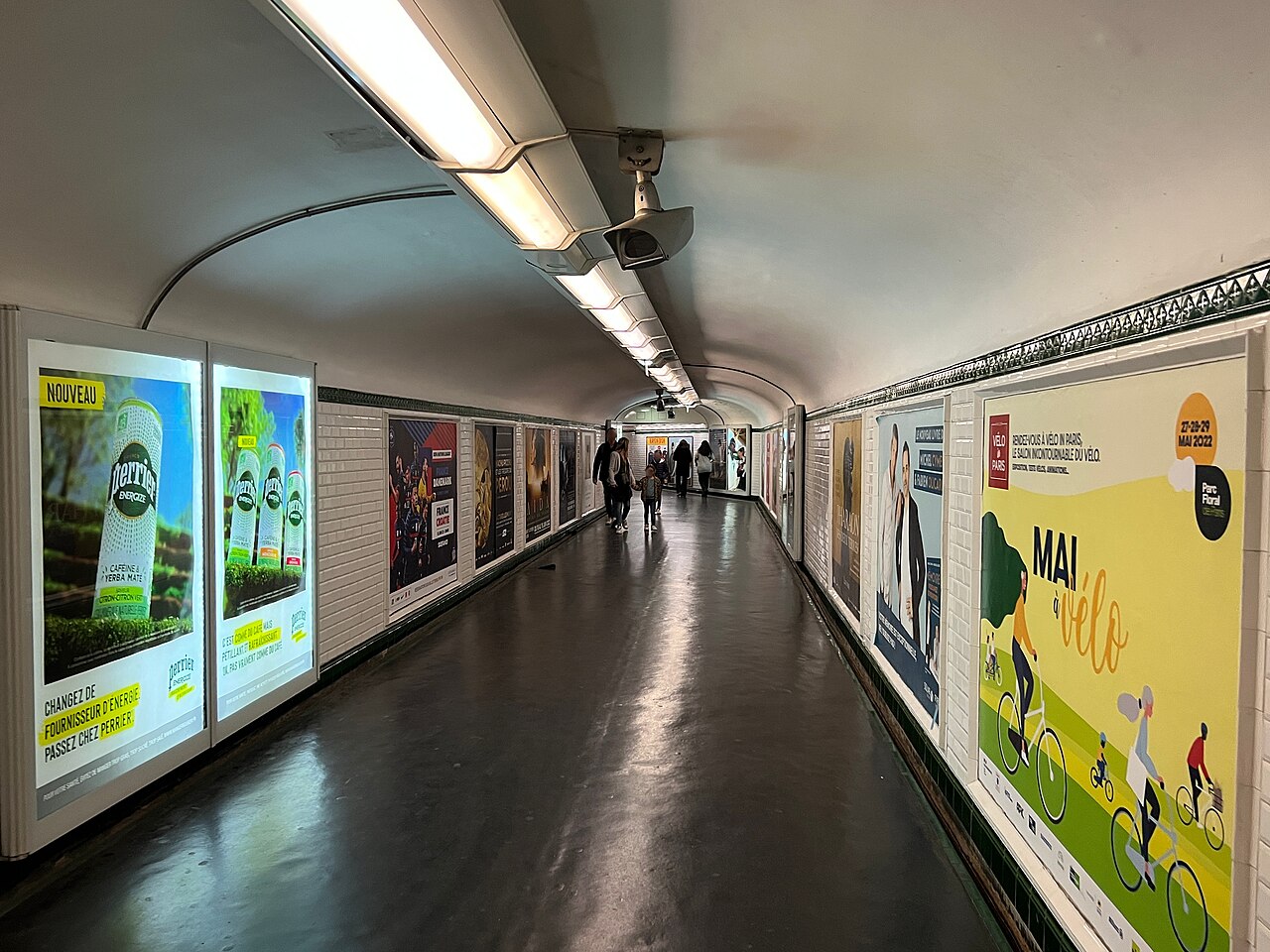
Paris museum circulationCeremonial spacing
Objects become legible faster when the path around them is choreographed with intention.
Used to stage launches, editorial spreads, and product reveals around paced viewing rather than information overload.
Note 5
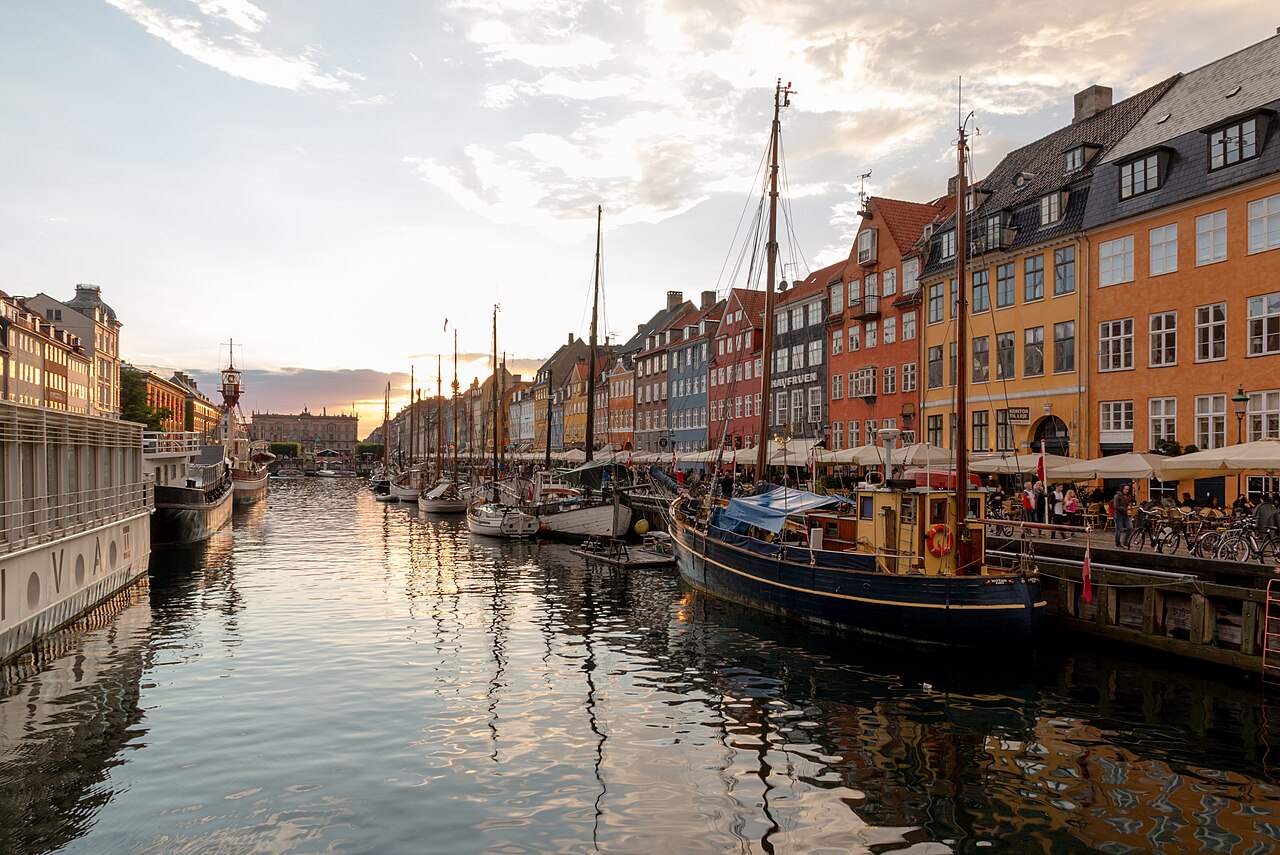
Copenhagen interiorsDomestic scale
Home objects earn trust through generous spacing, approachable texture, and low-ego form factors.
Used to soften technology when it has to live in intimate spaces.
Note 6
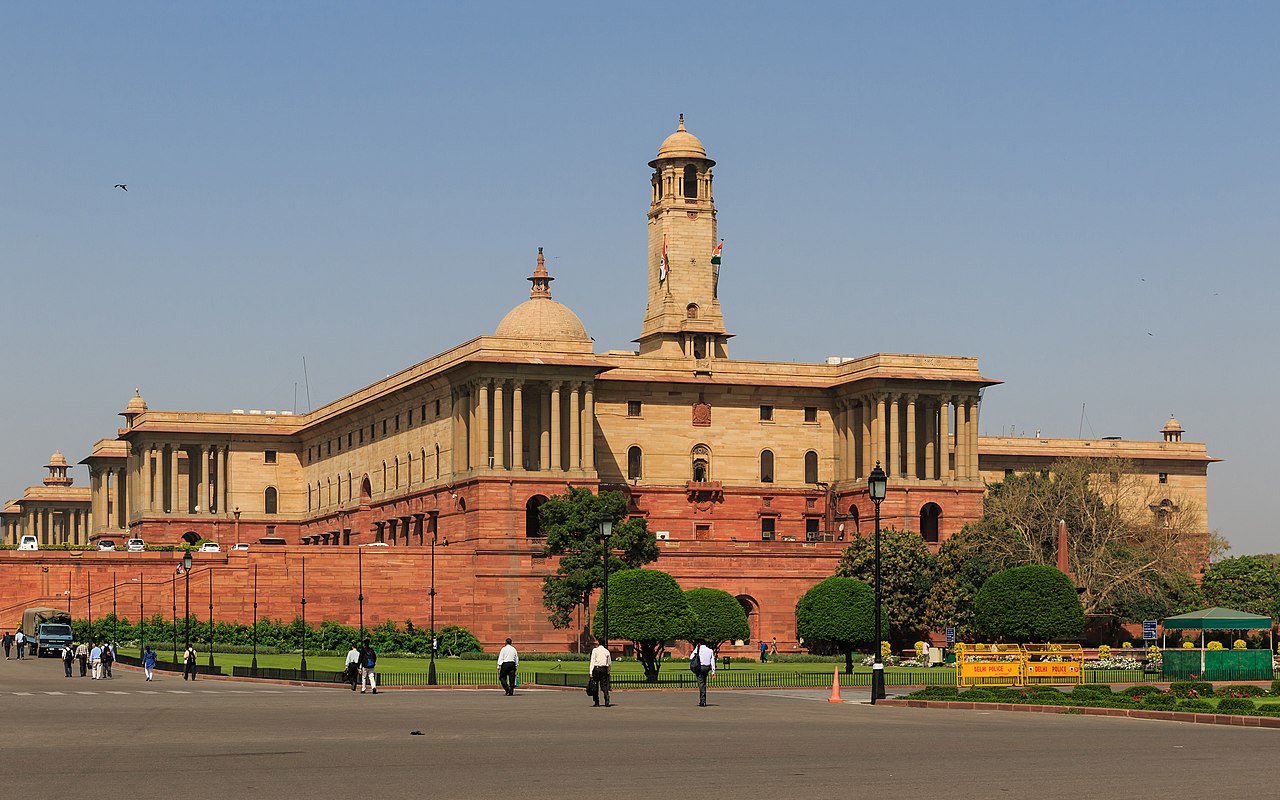
New Delhi civic geometryMonumental contrast
Large-scale forms stay memorable when they are anchored by familiar human cues and tactile interruptions.
Used to keep high-tech hardware visually bold without letting it feel distant or severe.
Note 7
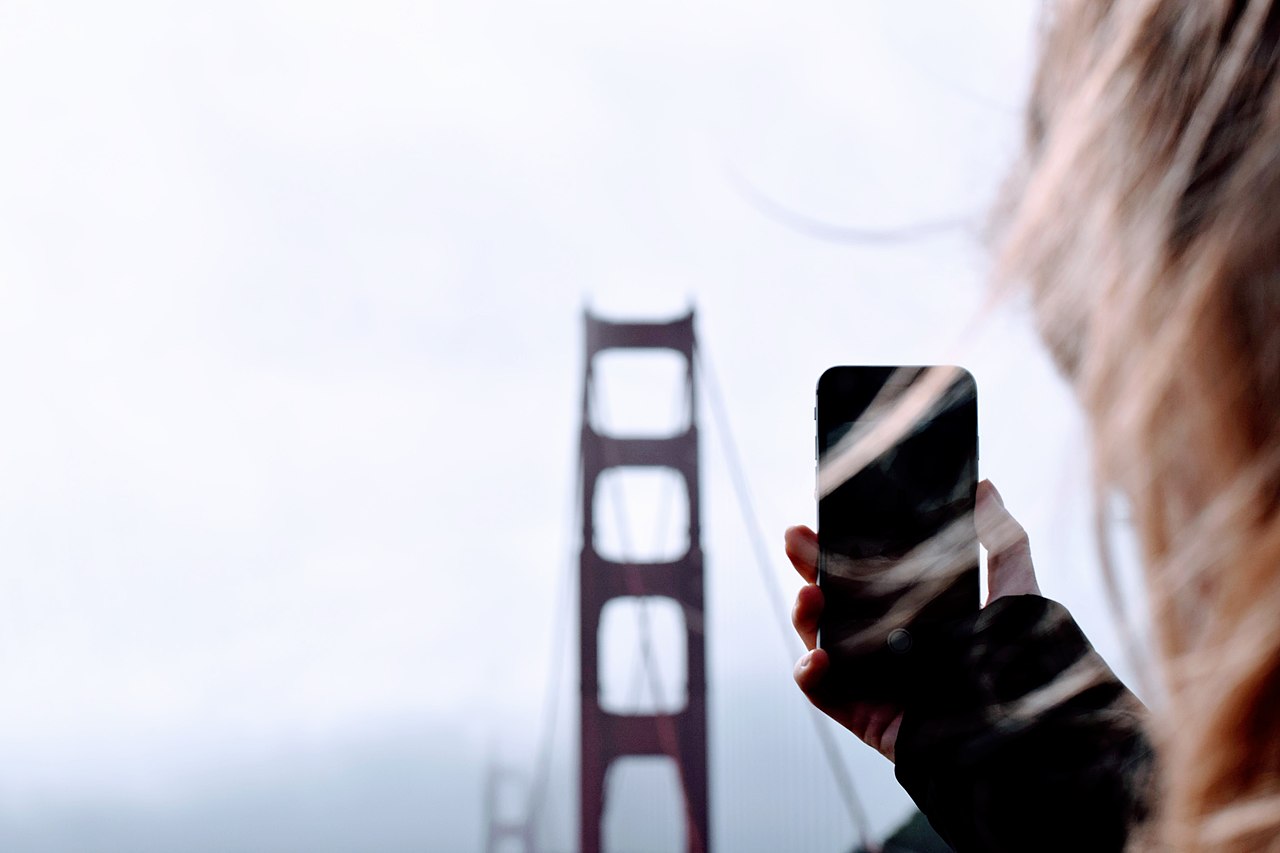
San Francisco street gradientsMovement before object
The route someone takes around an object can matter as much as the object itself.
Used to frame launches and product films around motion, not just static beauty shots.
Note 8
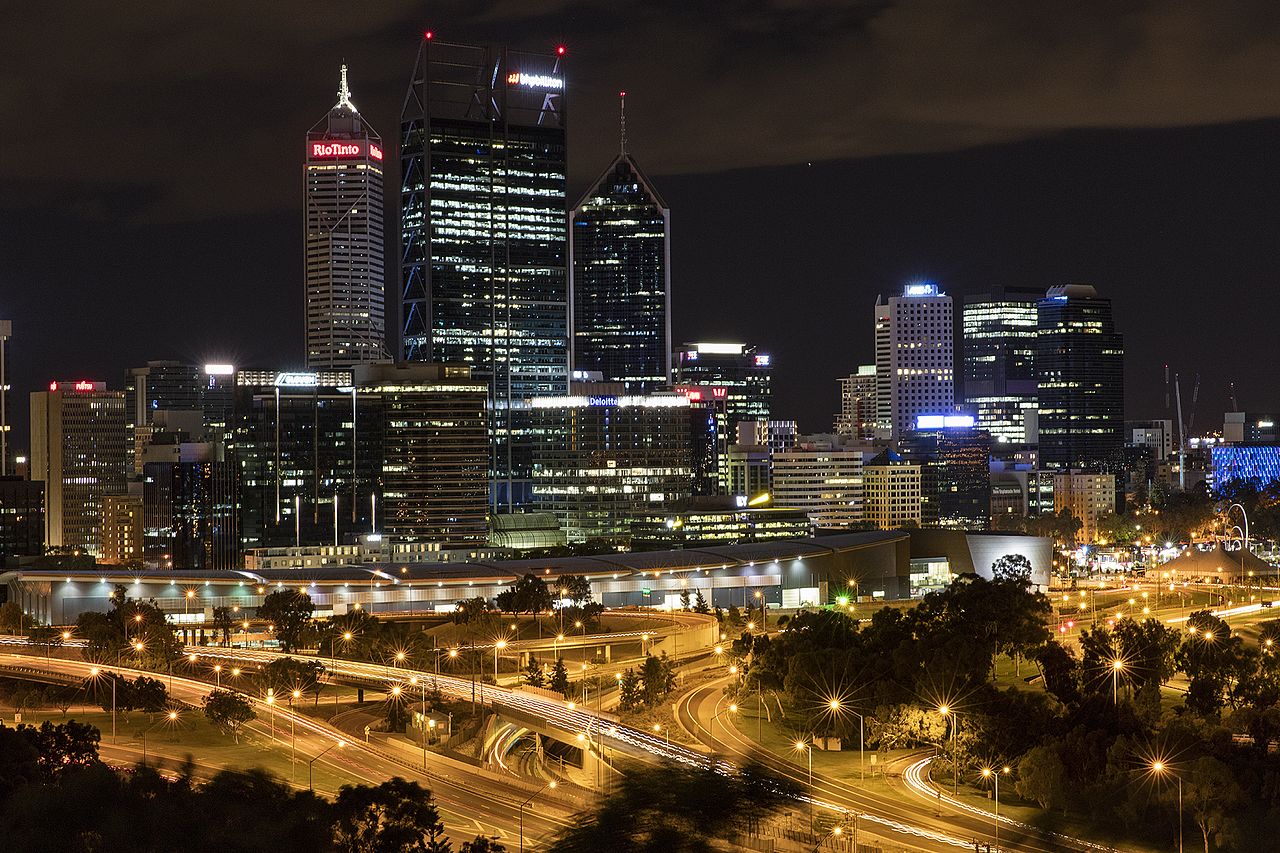
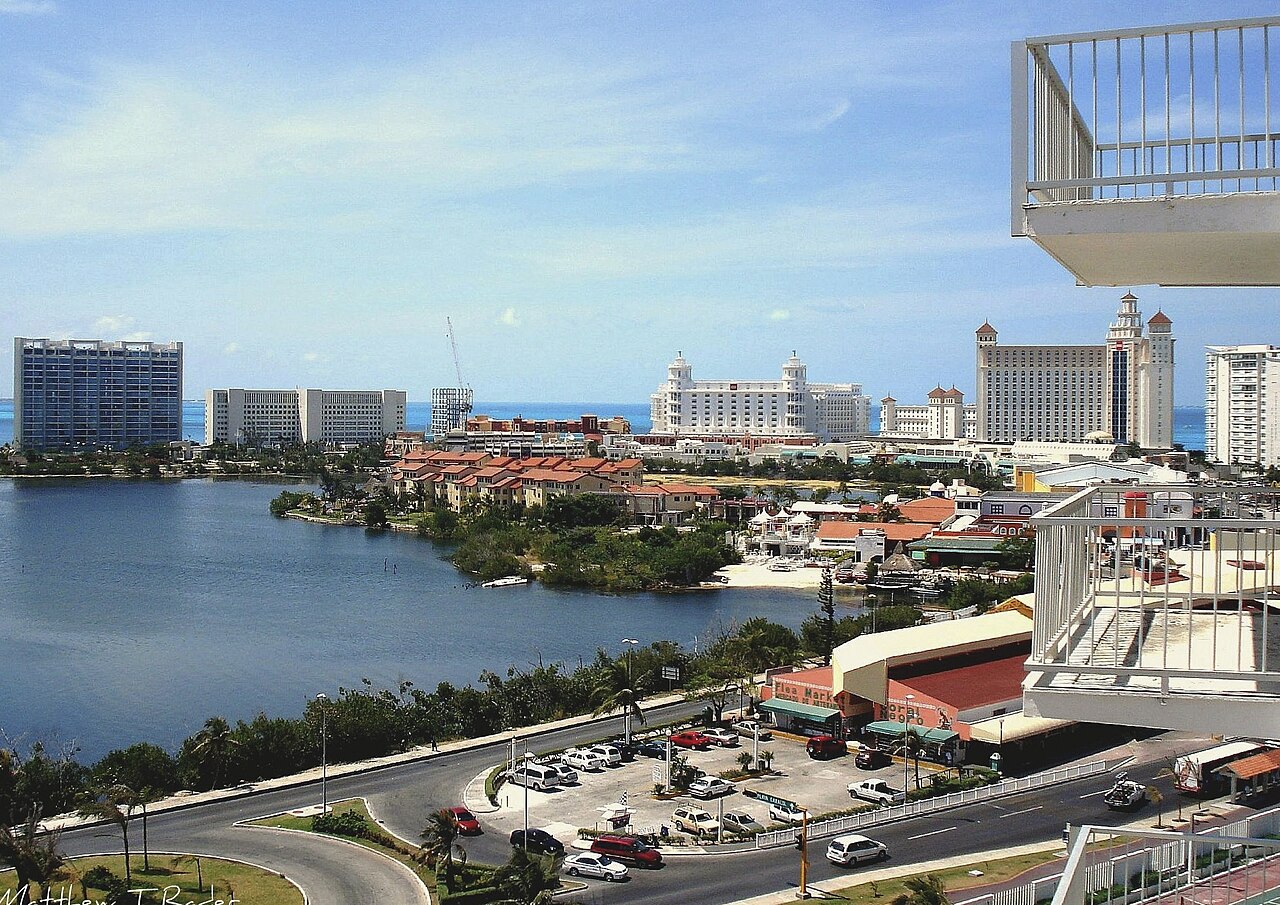
Perth and CancĂșn coastlinesAtmospheric color
Travel notes from strong sun and reflective water changed how the designer thinks about saturation, glare, and material finish.
Used to tune palette, gloss, and highlight handling for products shown outdoors or under mixed lighting.